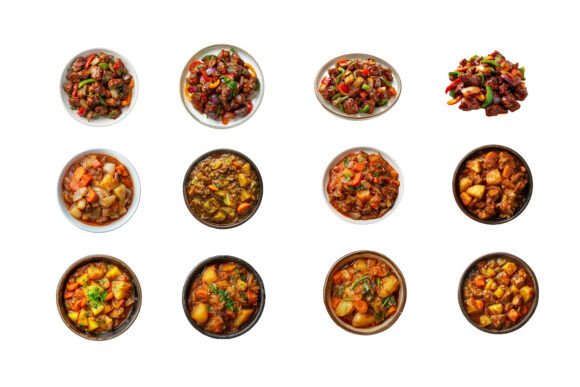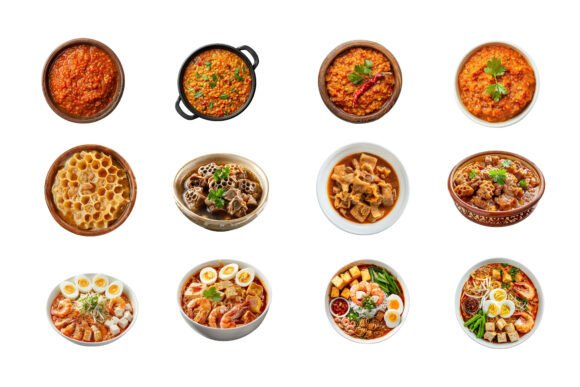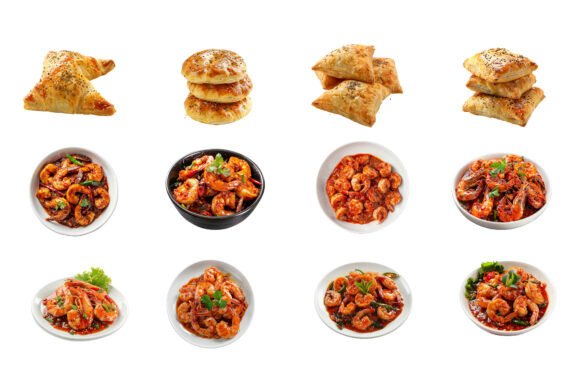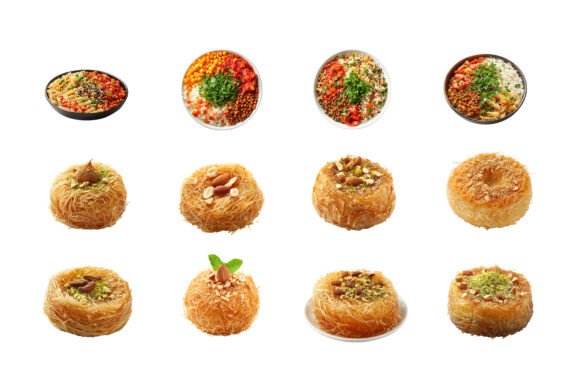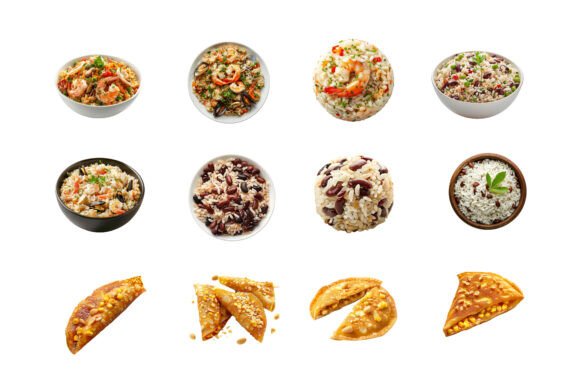
Top View of a Bowl with Fried Rice: A Versatile Asset for Modern Creators
In the contemporary landscape of visual communication, the need for high-quality, adaptable imagery is paramount. A top view of a bowl with fried rice is more than just a simple graphic; it is a meticulously crafted design asset that serves as a cornerstone in a variety of creative and professional workflows. This specific perspective—a clean, overhead shot—offers a unique compositional advantage, providing clarity, focus, and a modern aesthetic that is highly sought after in digital and print media. For professionals ranging from marketers to bloggers, this asset fits into a broader process of content creation, branding, and information design, where the quality and flexibility of visual elements directly impact the effectiveness of the final product.
Integrating the Asset into Your Creative Process
Understanding where and how to use such an asset is key to maximizing its value. The top view of a bowl with fried rice illustration is typically employed during the execution phase of a project. Whether you are designing a restaurant menu, creating a food blog post, developing an educational infographic about nutrition, or building the UI for a cooking app, this graphic serves as a ready-to-use, professional component. Its integration is often seamless; it interacts directly with your other design tools, such as Adobe Illustrator or Photoshop, and complements written content, photography, and other iconography. The decision to use a specific, high-quality illustration like this over a generic stock photo or a hastily created graphic is one that elevates the entire project's consistency and perceived quality.
Preparing Your Workspace for Scalable Assets
Before embarking on a project, ensuring your digital workspace is organized for efficient asset use is crucial. The inclusion of an AI EPS file, as part of this specific collection, means the graphic is vector-based. This format is inherently scalable, allowing you to resize the illustration from a tiny app icon to a large poster without any loss of detail. Preparation involves checking software compatibility—the file is designed for both Mac and Windows users—and familiarizing yourself with the neatly organized layer structure. This organization is not merely a convenience; it is a fundamental aspect of workflow efficiency. Being able to isolate elements, like individual grains of rice or the bowl itself, dramatically reduces editing time and allows for precise customization during the implementation stage.
Practical Implementation and Customization
The real power of this asset lies in its editability. The ability to change colors, modify elements, and adapt the icon to your specific needs transforms a single file into a versatile toolkit. For instance, a marketer might use the base illustration for a social media campaign but alter the color scheme to match a seasonal promotion. A publisher creating a series of cookbooks could use the same core asset across multiple chapters, modifying details to represent different rice dishes, ensuring visual consistency while maintaining variety. This level of control is a direct contributor to quality control and brand cohesion over the long term. Practical tips for implementation include:
- Start by exploring the layered file to understand its construction before making edits.
- Use the vector paths to easily recolor elements for different themes or brand palettes.
- Consider extracting specific components, like the bowl outline, for use as standalone symbols or patterns.
- Combine the illustration with other EPS assets from the collection to build more complex scenes or infographics.
This process-oriented approach ensures the asset becomes a dynamic part of your creative library, not a static, one-use image.
Use Cases Across Professional Workflows
The suitability for print, web, symbols, apps, and infographics means the top view of a bowl with fried rice finds relevance in diverse scenarios. For a small business owner launching a food delivery service, it could be the perfect visual for their website's "Menu" section and printed flyers. An educator might incorporate it into a digital presentation about global cuisines, leveraging its clarity for effective teaching. A freelance designer working on a health app could use it as a detailed icon representing a meal logging feature. In each case, the asset's perfection in detail and consistency ensures it never looks out of place or amateurish, supporting the professional credibility of the final output.
Long-Term Value and Asset Management
Viewing such an illustration as a long-term investment is a perspective aligned with productivity-minded thinking. A well-organized, editable vector file does not degrade or become obsolete. As your projects evolve, you can return to this asset repeatedly. Its consistency becomes a brand asset itself, especially if used across multiple touchpoints. For entrepreneurs and creators building a visual identity, having a library of reliable, high-quality elements like this streamlines future projects, reduces costs on new graphics, and maintains a uniform standard of quality. The integration into your routine becomes about asset management—categorizing, storing, and readily accessing such files for rapid deployment in new workflows.
Ultimately, the top view of a bowl with fried rice, as part of a special AI EPS collection, represents a practical solution for a common creative need. It bypasses the hype of superficial design trends by offering fundamental utility: editability, scalability, and professional quality. Its role in a workflow is concrete—it is a tool you pick up during the execution phase to solve a visual problem efficiently and effectively. By focusing on how such an asset fits into real processes of planning, design, and publication, creators can move beyond mere possession of a graphic to its strategic application, enhancing their work's impact and their own operational efficiency. The next step is not waiting, but integrating such purposeful resources into your creative ecosystem to see the direct benefits in your output's clarity, consistency, and professional appeal.